Data-Driven Wellness: The Power of Predictive Modeling
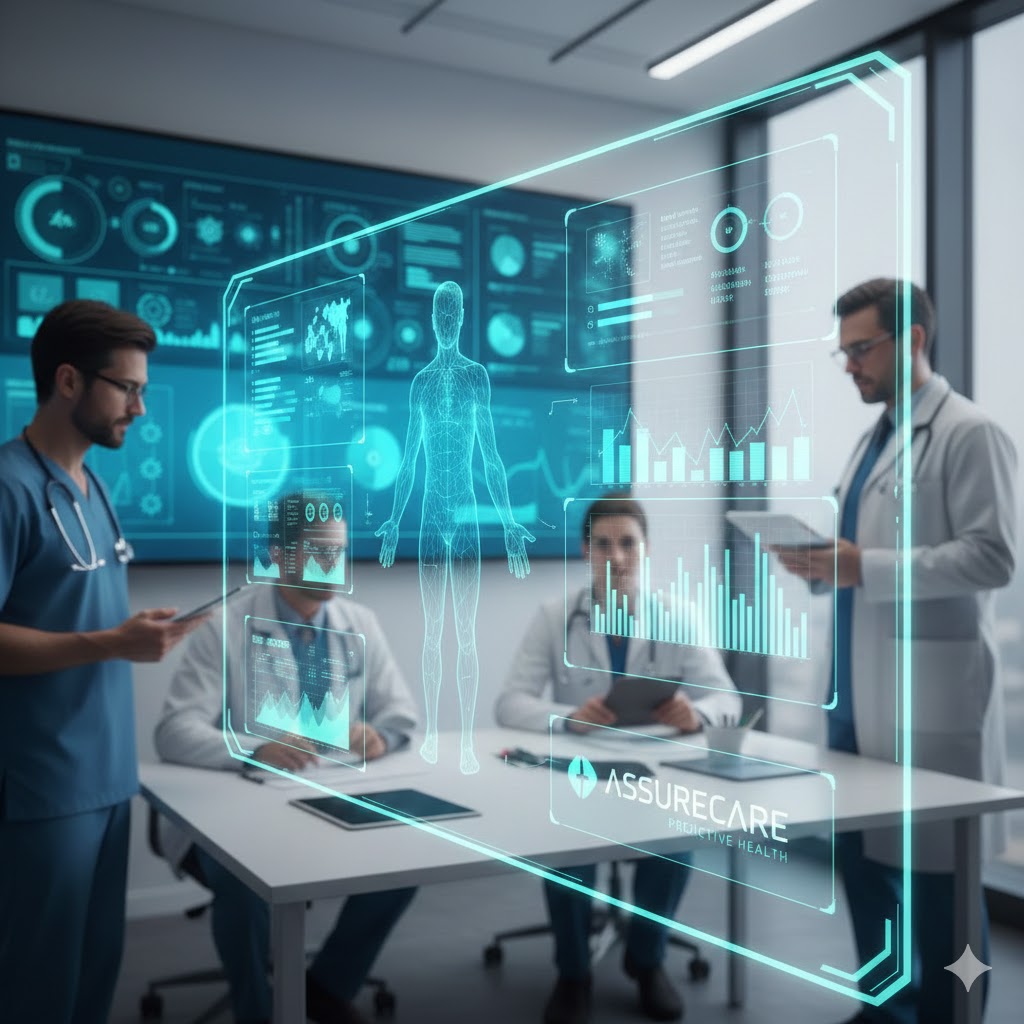
In the rapidly shifting landscape of modern medicine, the ability to anticipate patient needs before they become emergencies is the “holy grail” of care management. Traditionally, healthcare has been reactive—treating illnesses as they appear and managing symptoms after they progress. However, the integration of advanced data analytics is flipping this script. Today, predictive modeling software for healthcare is empowering providers to look into the future, identifying risks and optimizing outcomes with unprecedented precision.
The Shift from Reactive to Proactive Care
The primary challenge in healthcare administration and clinical practice has always been the “information gap.” Providers often have access to vast amounts of data, but without the right tools, that data remains static. Predictive modeling changes this by using historical data, machine learning, and statistical algorithms to forecast future events.
When organizations implement predictive modeling software for healthcare, they move away from the “wait and see” approach. Instead of waiting for a patient with chronic hypertension to suffer a stroke, these systems analyze patterns in blood pressure readings, medication adherence, and even social determinants of health to flag high-risk individuals. This allows for early intervention, which is not only life-saving but also significantly more cost-effective.
Improving Patient Outcomes with Precision
One of the most significant benefits of using predictive modeling software for healthcare is the ability to personalize treatment plans. No two patients are exactly alike, and “one size fits all” medicine is becoming a thing of the past. By leveraging predictive analytics, clinicians can determine which patients are most likely to respond to specific therapies.
For instance, in population health management, predictive tools can segment a patient population into various risk tiers. This ensures that intensive resources—like dedicated case managers or home health visits—are directed toward those who need them most. By preventing hospital readmissions and identifying potential complications before they manifest, the quality of care reaches new heights.
Operational Efficiency and Resource Allocation
Beyond clinical excellence, predictive modeling software for healthcare is a game-changer for the operational side of medical facilities. Staffing shortages and bed availability are perennial issues for hospitals. Predictive models can forecast patient inflow based on seasonal trends, local health data, and even weather patterns.
By accurately predicting “busy seasons,” hospital administrators can optimize scheduling, ensuring that the right number of nurses and specialists are on hand. This reduces staff burnout and ensures that patient wait times are minimized. Furthermore, predicting equipment maintenance needs and supply chain fluctuations ensures that life-saving tools are always available when they are needed most.
The Role of Social Determinants of Health (SDOH)
A truly robust predictive modeling software for healthcare doesn’t just look at heart rates and lab results. It also considers Social Determinants of Health (SDOH). Factors like zip code, access to transportation, and food security play a massive role in a patient’s recovery and long-term wellness.
Modern predictive engines can integrate these non-clinical data points to provide a 360-degree view of the patient. If the software identifies a patient who is at high risk for diabetes complications and also lives in a “food desert,” the care team can proactively connect that patient with community resources or nutritional support. This holistic approach is essential for achieving true health equity.
Overcoming Challenges in Implementation
While the benefits are clear, integrating predictive modeling software for healthcare requires a strategic approach. Data privacy is paramount; organizations must ensure that all predictive tools are fully HIPAA compliant and that patient data is encrypted and handled with the highest ethical standards.
Additionally, data silos remain a hurdle. To get the most out of predictive analytics, information must flow seamlessly between Electronic Health Records (EHRs), pharmacy systems, and insurance claims databases. Choosing a software provider that prioritizes interoperability is the key to breaking down these walls and creating a unified “source of truth” for patient data.
The Future of Healthcare is Already Here
We are standing at the threshold of a new era in medicine. As artificial intelligence continues to evolve, the accuracy of predictive modeling software for healthcare will only improve. We are moving toward a world where “preventative medicine” isn’t just a buzzword, but a data-backed reality.
For healthcare organizations, the message is clear: the data you need to improve patient lives is already in your systems. The missing piece of the puzzle is the technology required to interpret that data and turn it into actionable insights. By embracing predictive modeling, providers can ensure they are not just keeping pace with the industry, but leading the charge toward a healthier, more efficient future.
Conclusion
Predictive modeling software for healthcare is no longer a luxury reserved for tech-heavy research institutions; it is a vital tool for any organization committed to high-quality, value-based care. By identifying risks early, personalizing treatments, and streamlining operations, these platforms are helping clinicians do what they do best: save lives. In the end, the goal of data is not just to provide numbers, but to provide hope and better health for every patient.
Share this content:







Post Comment