Bridging the Gap: The Future of Holistic Patient Wellness
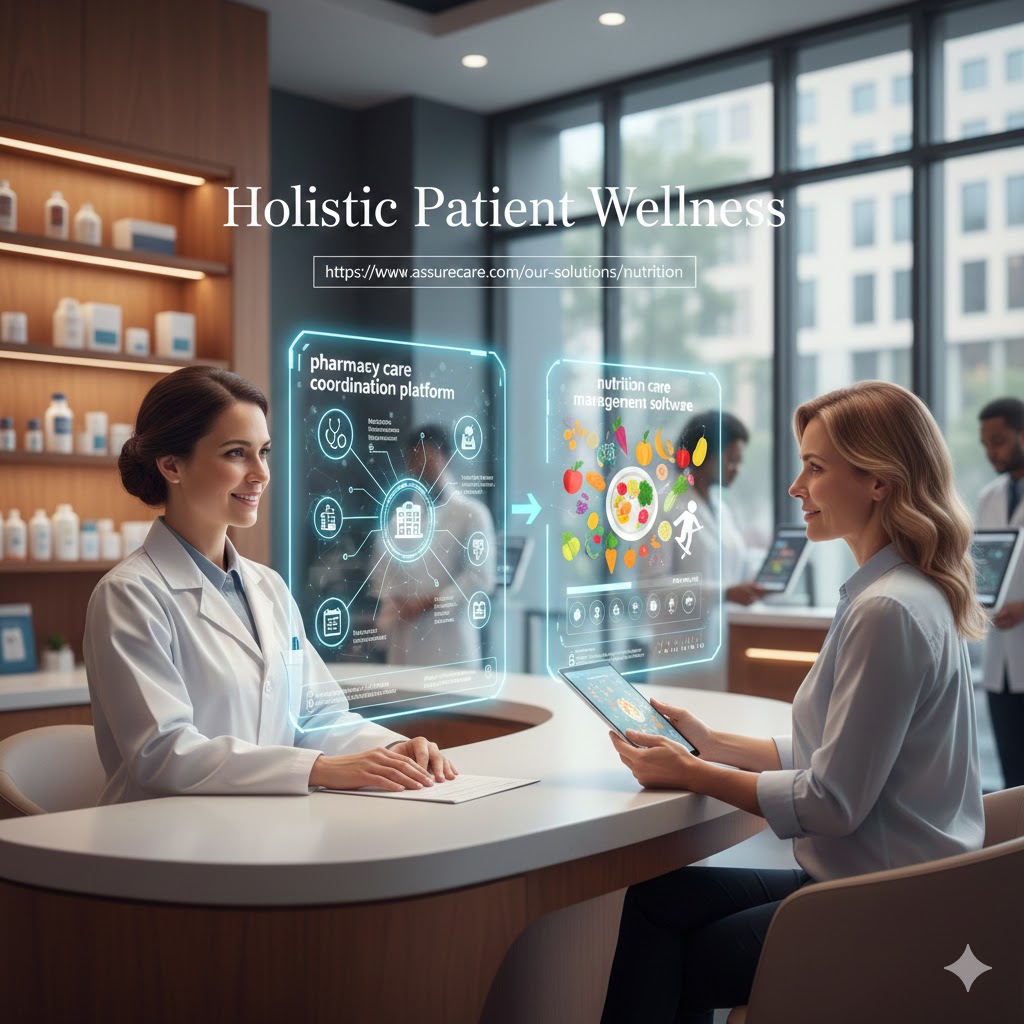
The traditional role of the pharmacist is undergoing a radical transformation. Long gone are the days when a pharmacist’s primary duty was limited to dispensing pills and checking dosages. Today, community pharmacies are evolving into central hubs for clinical services, acting as a vital link in the broader healthcare ecosystem. This shift is being driven by a need for more integrated, personalized care that addresses the “whole person” rather than just isolated symptoms. To achieve this, healthcare providers are increasingly turning to advanced digital tools like a pharmacy care coordination platform and specialized nutrition care management software.
The Evolution of Clinical Pharmacy Services
For decades, the healthcare system has operated in silos. A patient might see a primary care physician for a chronic condition, a specialist for a specific ailment, and a dietitian for weight management—all while filling prescriptions at a local pharmacy that has no visibility into the clinical notes of the other providers. This fragmentation often leads to gaps in care, medication non-adherence, and suboptimal health outcomes.
However, the modern community pharmacy is uniquely positioned to bridge these gaps. Because pharmacists are often the most accessible healthcare professionals, they have frequent touchpoints with patients. By leveraging a robust pharmacy care coordination platform, these professionals can now move beyond the counter. This technology allows pharmacists to document clinical encounters, manage chronic diseases, and coordinate directly with physicians, ensuring that every member of the care team is on the same page.
Why Nutrition is the Missing Piece of the Puzzle
While medication management is crucial, it is only one part of the wellness equation. Chronic diseases—such as diabetes, hypertension, and obesity—are deeply rooted in lifestyle and dietary habits. This is where the integration of clinical services becomes truly transformative. When a pharmacy combines medication therapy management with nutritional guidance, the results are far more sustainable.
Implementing nutrition care management software enables providers to create data-driven, personalized meal plans and lifestyle interventions that complement medicinal treatments. For instance, a patient managing Type 2 diabetes doesn’t just need insulin; they need a roadmap for carbohydrate management and glucose monitoring. By using dedicated software, clinicians can track nutritional progress, monitor biometric data, and adjust care plans in real-time, providing a level of support that was previously impossible in a standard retail setting.
Breaking Down Silos with Integrated Technology
The real magic happens when these two worlds collide. The integration of a pharmacy care coordination platform with nutrition care management software creates a unified workflow. Instead of jumping between disparate systems, clinicians can access a single source of truth.
- Comprehensive Patient Profiles: Clinicians can view a patient’s full history, including medication records, lab results, and nutritional goals. This holistic view helps identify potential drug-nutrient interactions that might otherwise go unnoticed.
- Enhanced Communication: Coordination platforms facilitate secure messaging and data sharing between pharmacists, dietitians, and doctors. This ensures that if a pharmacist notices a patient is struggling with side effects that affect their appetite, the dietitian is notified immediately to adjust the meal plan.
- Scalability of Services: Technology automates the administrative “heavy lifting.” Automated scheduling, billing for clinical services, and longitudinal reporting allow pharmacies to scale their offerings without overwhelming their staff.
Empowering Patients Through Personalized Journeys
At the heart of this technological shift is the patient. Modern consumers are looking for more than just a transaction; they want a partnership in their health journey. When a pharmacy offers clinical services backed by nutrition care management software, it shifts the narrative from reactive sick-care to proactive wellness.
Patients feel more empowered when they see the direct correlation between what they eat and how their medications work. This “high-touch” model builds trust and loyalty, turning a neighborhood pharmacy into a destination for comprehensive health advice. Furthermore, by providing digital tools for patients to track their own progress, providers can maintain engagement between visits, leading to better long-term adherence.
The Economic Impact on the Healthcare System
Beyond patient outcomes, the move toward coordinated, nutrition-focused care makes financial sense. Preventable chronic diseases account for a massive portion of global healthcare spending. By utilizing a pharmacy care coordination platform to catch issues early and using nutrition care management software to prevent the progression of metabolic syndromes, we can significantly reduce hospital readmissions and emergency room visits.
For the pharmacies themselves, these clinical services represent a new revenue stream. As reimbursement models shift toward value-based care, the ability to prove improved outcomes through documented clinical interventions becomes a major competitive advantage.
Looking Ahead: A New Standard of Care
The future of healthcare is integrated, accessible, and preventive. The convergence of pharmacy services and nutritional science is not just a trend; it is a necessary response to the growing complexity of chronic disease management.
By investing in the right digital infrastructure, healthcare organizations can ensure that they are not just treating symptoms, but are truly healing people. Whether it is through a pharmacy care coordination platform that streamlines clinical workflows or nutrition care management software that personalizes wellness, the goal remains the same: better health for everyone, delivered with precision and compassion.
As we move forward, the pharmacies that embrace these tools will be the ones that lead the charge in the new era of community-based clinical excellence. It is time to think outside the pill bottle and embrace a more comprehensive approach to patient care.
Share this content:









Post Comment