How AI Photobooth Software Is Changing Events
Walk into any corporate gathering, wedding, or brand activation today, and chances are there’s a sleek photo station drawing a crowd. But it’s not just about snapping pictures anymore. The technology powering these experiences has shifted dramatically, and AI photobooth software is at the center of that change.
From Props to Intelligence
Traditional photo booths were fun — hats, glasses, a backdrop, and a strip of prints. That was the experience for decades. What’s different now is that the software behind the camera has become genuinely smart. It can recognize faces, apply styled filters in real time, remove backgrounds without a green screen, and deliver digitally polished results within seconds.
This shift matters because event organizers are no longer just offering a novelty. They’re offering a shareable, personalized moment that attendees actually want to post. That’s a meaningful change in how brands and hosts think about photo activations.
What AI Brings to the Booth
The real advantage of AI photobooth software isn’t any single feature — it’s the combination of things that now happen automatically. Face detection lets the system trigger captures at the right moment. Style transfer can turn a candid snapshot into something that looks like it was shot in a specific artistic style. Background replacement works cleanly even in busy venues without careful lighting setups.
For event companies, this means less setup, fewer technical headaches, and more consistent output. For guests, it means walking away with something that looks genuinely good rather than a poorly lit photo with a crumpled prop in the frame.
Data capture is another dimension worth noting. Modern AI photobooth software can collect opt-in guest data, sync with CRM tools, and give brands a measurable return from what used to be a purely experiential activity. It turns a photo moment into a marketing touchpoint without feeling forced.
The Mosaic Angle
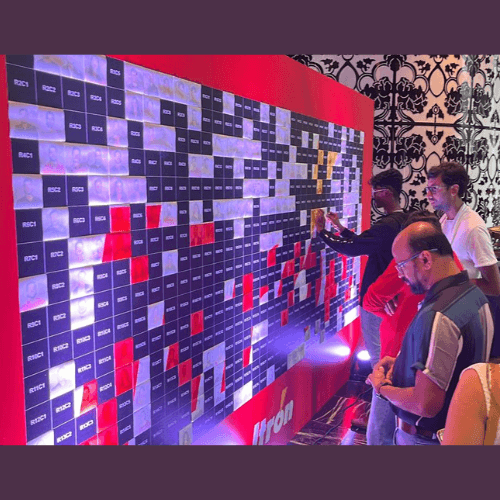
One of the more visually striking trends running alongside AI booths is the use of photo mosaic software at live events. The concept is simple but the effect is powerful — hundreds of individual guest photos come together to form a single large image, usually a brand logo, a couple’s portrait, or a campaign visual.
What makes this work well at events is the real-time element. Guests see their photo appear within the mosaic as it builds throughout the event. By the end of the night, there’s a completed artwork made entirely from the people who were in the room. It’s participatory in a way that passive photo walls aren’t.
Photo mosaic software has gotten sophisticated enough to handle large volumes of images, match colors intelligently so the final composition reads clearly from a distance, and output files at print-ready resolution. For brands, the mosaic becomes a piece of content — something worth displaying, sharing, and keeping.
Putting the Two Together
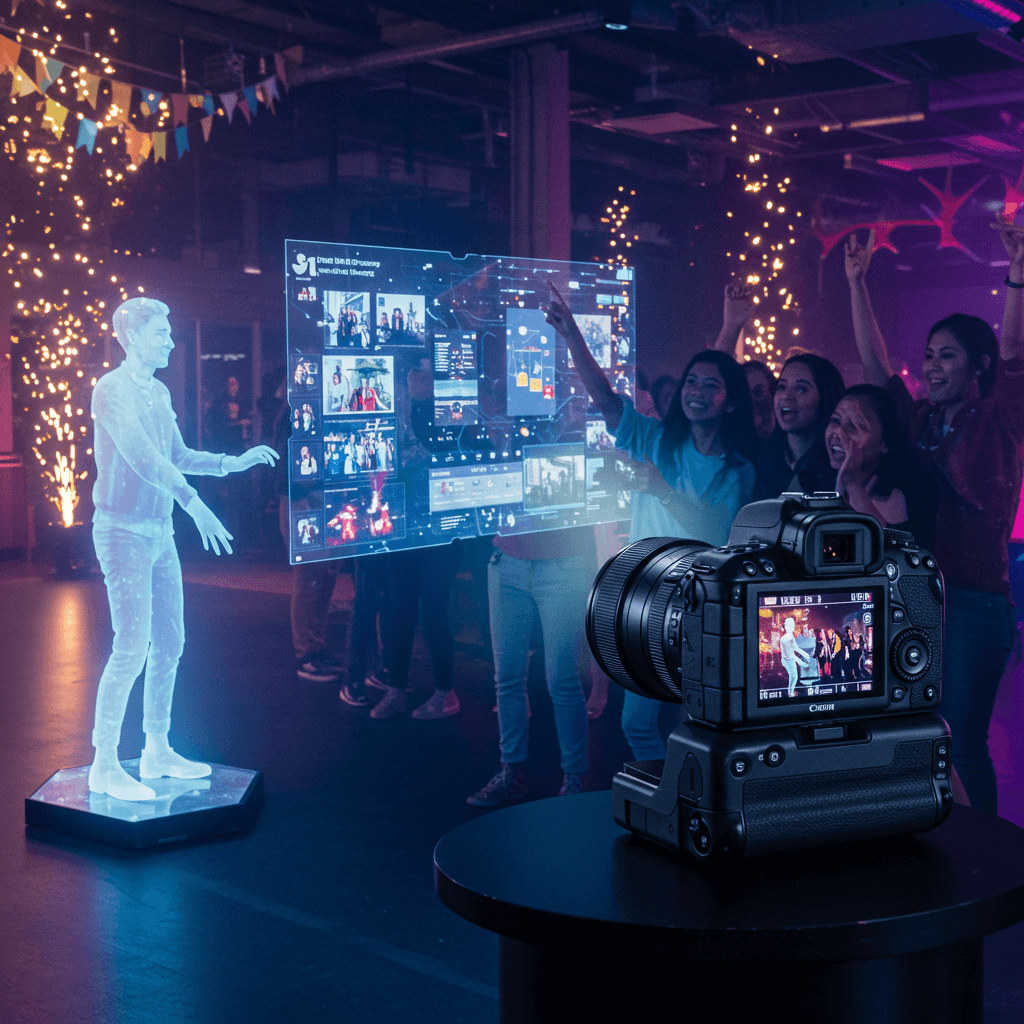
AI photobooth software and photo mosaic software work particularly well as a combined activation. The AI booth handles the individual experience: personalized filters, instant sharing, clean results. The mosaic software handles the collective experience: turning every guest photo into a contribution to something larger.
This pairing works across different event types. At product launches, the mosaic can feature the new product image built from attendee photos. At corporate events, it can be the company logo or a milestone celebration visual. At weddings, it becomes a unique piece of art that tells the story of who was there.
Practical Considerations
If you’re evaluating either type of platform, a few things are worth checking. For AI photobooth software, look at how the system handles varying lighting conditions — not every venue is a photography studio. Check whether the sharing flow is smooth on mobile, since most guests will share directly from their phones. And confirm that any data collection is handled with proper consent flows.
For photo mosaic software, resolution matters a lot if you plan to print the final image at large format. Also consider how the real-time display is handled — a live mosaic that guests can watch build is far more engaging than one revealed at the end of the night.
The Bigger Picture
What’s really happening with these tools is that photo experiences at events have grown up. They’re no longer a side attraction but a considered part of event strategy. The software has caught up to the ambition that planners have always had for these moments.
AI photobooth software gives individual attendees something worth keeping and sharing. Photo mosaic software gives the event itself a visual legacy. Together, they represent what thoughtful event technology looks like when it’s built around the actual experience of being in a room with other people — and wanting to remember it.
Share this content:







Post Comment