Smart Digital Systems for Modern Healthcare

Healthcare is changing fast, and hospitals today are under pressure to deliver better patient outcomes while managing growing operational complexity. From patient registration to clinical documentation, billing, diagnostics, and discharge processes, everything needs to work in perfect coordination. This is where hospital management software and EMR & EHR Software play a critical role in transforming healthcare delivery into a more efficient, connected, and patient-focused ecosystem.
Modern healthcare is no longer just about treatment—it’s about experience, accuracy, and continuity of care. Digital systems now act as the backbone of hospitals, helping doctors, nurses, administrators, and patients stay aligned across every stage of the care journey.
The Digital Backbone of Healthcare Operations
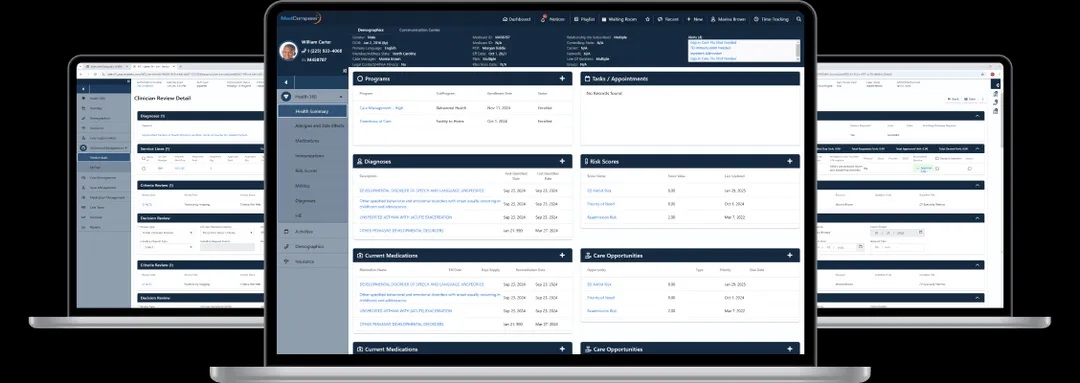
A well-designed hospital management software system integrates every department into one unified platform. Instead of working with multiple disconnected tools, hospitals can manage appointments, patient records, diagnostics, pharmacy, billing, inventory, and reporting through a single digital interface. This not only reduces manual work but also minimizes errors, delays, and communication gaps.
For administrators, it brings better visibility into hospital operations. For clinicians, it means faster access to patient data. For patients, it translates into shorter waiting times, smoother admissions, and better service quality. Over time, this operational clarity directly improves trust and satisfaction.
Clinical Accuracy Through Digital Records
One of the biggest shifts in healthcare has been the move from paper files to digital medical records. EMR & EHR Software systems allow hospitals to store, manage, and access patient data securely in real time. Doctors can instantly view medical history, lab reports, prescriptions, allergies, and previous diagnoses, enabling more informed clinical decisions.
This digital continuity is especially important in complex cases involving multiple specialists. When every department works on the same patient record, care becomes coordinated rather than fragmented. It reduces duplication of tests, prevents medication errors, and improves overall treatment quality.
To explore how digital healthcare systems can streamline operations, many hospitals are adopting integrated platforms like hospital management software that bring all core functions under one system.
Patient-Centered Care Through Smart Systems
Modern healthcare is shifting toward patient-centric models, where care is personalized, continuous, and coordinated. Digital systems make this possible by connecting different care services into a unified workflow.
For example, a pharmacy care coordination platform helps manage prescriptions, track medication adherence, and ensure accurate dispensing. It creates a seamless connection between doctors, pharmacists, and patients, reducing errors and improving medication safety.
Similarly, nutrition care management software supports personalized diet planning, nutritional monitoring, and patient-specific dietary interventions. This is especially valuable for chronic disease management, post-surgery recovery, and long-term wellness programs. When nutrition and medication systems integrate with hospital platforms, patient care becomes more holistic rather than isolated.
Data-Driven Decision Making
Healthcare decisions today are increasingly driven by data. With digital platforms, hospitals gain access to real-time analytics, performance dashboards, and operational insights. These tools help management teams understand patient flow, bed occupancy, staff efficiency, revenue cycles, and resource utilization.
This data-driven approach allows hospitals to plan better, reduce wastage, and optimize service delivery. Instead of reacting to problems, hospitals can predict challenges and prepare solutions in advance. Over time, this leads to sustainable growth and stronger healthcare infrastructure.
Security, Compliance, and Trust
Digital healthcare systems also play a major role in data security and compliance. With growing concerns around patient privacy, modern platforms are designed with strong encryption, role-based access, and regulatory compliance frameworks.
Secure digital records build trust among patients, who feel confident that their sensitive information is protected. For hospitals, this reduces legal risks and strengthens credibility in the healthcare ecosystem.
Seamless Integration Across Care Touchpoints
True digital transformation happens when systems don’t work in silos. The real power of technology lies in integration—connecting clinical care, diagnostics, pharmacy, nutrition, administration, and patient engagement into one ecosystem.
With advanced EMR & EHR Software, hospitals can connect outpatient care, inpatient services, telemedicine, diagnostics, and follow-ups into a continuous care journey. Patients no longer feel lost between departments, and doctors no longer struggle with incomplete information.
You can explore advanced digital record systems through platforms like EMR & EHR Software that are designed to support scalable, connected healthcare delivery.
The Future of Digital Healthcare
Healthcare technology is no longer optional—it is foundational. Hospitals that invest in digital infrastructure today are better prepared for future challenges, whether it’s patient load, regulatory changes, or evolving care models.
The combination of hospital management software, EMR & EHR Software, pharmacy care coordination platforms, and nutrition care management software creates a connected healthcare environment where efficiency meets empathy. It allows hospitals to move beyond basic treatment and focus on long-term wellness, preventive care, and patient empowerment.
In the coming years, healthcare will continue to evolve toward smarter systems, predictive care models, and personalized treatment journeys. Digital platforms will not replace human care—but they will strengthen it by removing complexity, reducing errors, and creating space for healthcare professionals to focus on what matters most: patient well-being.
By building a connected digital ecosystem, hospitals can deliver faster services, safer treatments, and better patient experiences—setting a strong foundation for sustainable, technology-driven healthcare growth.
Share this content:











Post Comment